

Service Detail
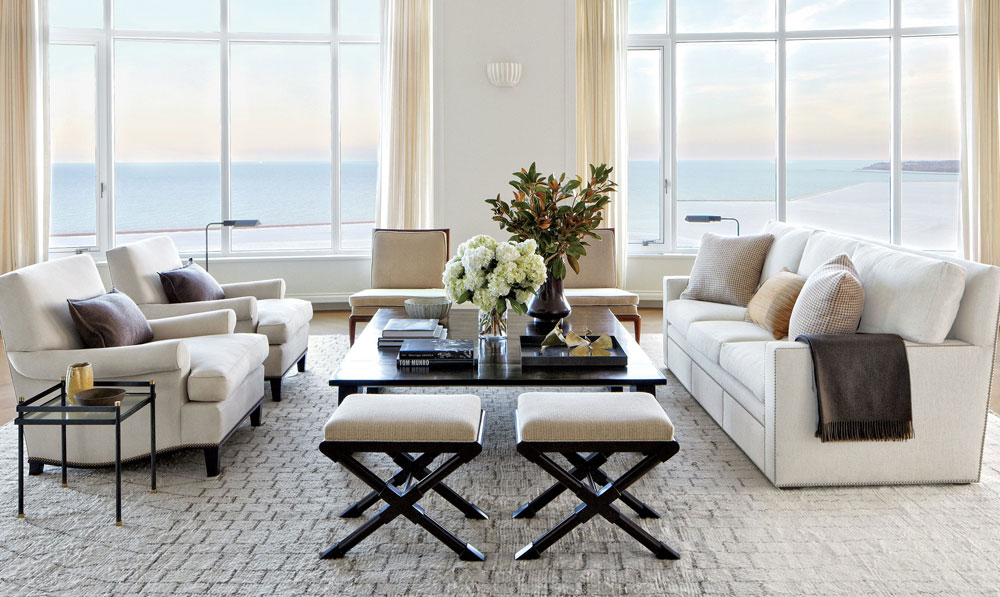

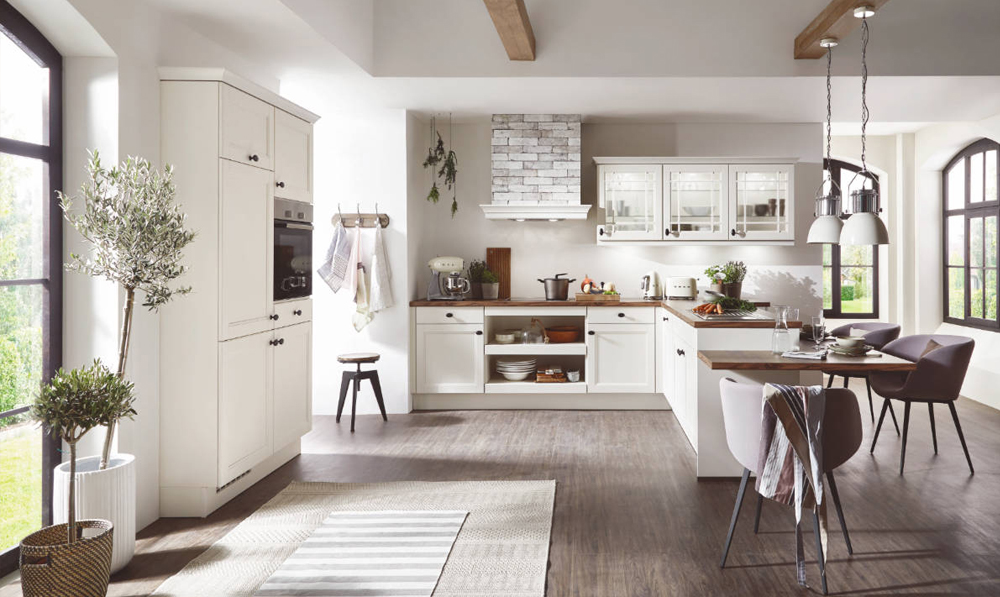
For a house to be successful, the objects in it must communicate with one another, respond and balance one another
Absolutely, achieving harmony and balance among the objects within a house is essential for creating a successful and cohesive interior design. Here's how objects can communicate, respond, and balance with one another within a house: Consistency in Style: Objects within a house should share a consistent design style or aesthetic to create a sense of unity. Whether it's modern, traditional, eclectic, or minimalist, maintaining a cohesive style throughout the space helps ensure that objects complement each other rather than clash. Color Coordination: Using a harmonious color palette throughout the house helps objects communicate with one another. Consistent color schemes or complementary color combinations can tie different elements together and create visual cohesion. Scale and Proportion: Objects should be appropriately scaled and proportioned relative to one another and the size of the space. Balancing larger furniture pieces with smaller accents creates visual interest and prevents any one element from overpowering the room. Visual Flow: Arranging objects in a way that guides the eye smoothly throughout the space contributes to a sense of continuity and balance. Creating visual pathways and focal points helps objects relate to each other within the overall composition of the house. Texture and Materiality: Incorporating a variety of textures and materials adds depth and richness to the interior design. Balancing different textures and materials, such as wood, metal, fabric, and glass, ensures that objects complement each other while adding visual and tactile interest. Functionality and Practicality: Objects should not only look good but also serve a practical purpose within the house. Ensuring that each object contributes to the overall functionality of the space helps maintain balance and prevents clutter. Symmetry and Asymmetry: Balancing symmetrical and asymmetrical elements within the house adds visual interest and complexity. Symmetrical arrangements create a sense of order and formality, while asymmetrical arrangements add dynamism and personality to the space. Transitional Spaces: Pay attention to transitional spaces such as entryways, hallways, and staircases, where objects from different rooms intersect. Ensuring continuity in design elements and color schemes helps create a seamless flow between spaces. Personalization: Incorporating objects that reflect the personality and interests of the occupants adds warmth and character to the house. Balancing personal touches with broader design considerations creates a space that feels both curated and lived-in. Edit and Edit Again: Finally, editing is crucial to achieving balance and harmony within the house. Regularly assess and edit objects to ensure that each one contributes positively to the overall design. Removing unnecessary or conflicting elements helps maintain a sense of balance and clarity in the space. By paying attention to these principles of design, objects within a house can effectively communicate, respond, and balance with one another, creating a harmonious and successful interior environment.Our Specialization

Architecture Design
Architecture design is the process of planning, designing, and constructing buildings and other physical structures.

Interiors Design
Interior design is the art and science of enhancing the interior of a space to create a more aesthetically environment.

Creative Planing
Creative planning is the process of developing innovative strategies and ideas to achieve specific goals .
Copyright © 2024 Pinakee Digital Technology. All rights reserved.